
You Are Not to Blame: Childhood Obesity and Parenting
Have you ever left a doctor’s appointment feeling like you were to blame? Or stayed quiet at a family gathering when someone commented on what your child was eating? If you’ve ever felt ashamed, blamed, or judged because of your child’s weight, this message is for you.
Childhood obesity is not a sign of bad parenting. It’s a complex health issue shaped by genetics, environment, emotions, and a world where making healthy choices is often difficult.
On this World Obesity Day, as people everywhere focus on the theme "8 Billion Reasons to Act on Obesity," remember this: you are not to blame, and you are not alone.

Key takeaways
- Your child's weight is influenced by far more than food and exercise. Genetics, emotions, sleep, stress, and environment all play a significant role.
- Blame and stigma make things worse for your child and for you.
- You don't need to be a perfect parent to make a real difference; you just need the right support.
- Sustainable change starts with understanding your family's whole picture, not just what's on the dinner plate.
- Practical, compassionate help is available, and it works.
You are not the problem
One of the most harmful myths is that if your child is overweight, you just haven’t tried hard enough. People may think being stricter or more organised would change things. But research tells a different story.
The World Obesity Federation reports that over 400 million children and adolescents worldwide are currently living with overweight or obesity, a figure that has risen nearly fivefold since 1975.
This isn’t happening because parents don’t care. Experts say it’s the result of an obesogenic environment, where ultra-processed foods are everywhere, screens compete with outdoor play, family life is stressful, and sleep often gets overlooked.
According to the Australian Institute of Health and Welfare, about 1 in 4 Australian children are living with overweight or obesity. This affects children in every suburb, every school, and every type of family.
This is a challenge for the whole community, not a personal failing.
If you’re doing your best and it still feels like it’s not enough, remember this:
- Your child's genetics may mean they store fat differently or feel hunger more intensely than other kids.
- If they are anxious, lonely, or struggling socially, they may turn to food for comfort because that's what humans do.
- When the supermarket checkout, school canteen, and every sports event are filled with junk food, saying no every time isn’t just about willpower. It’s exhausting for any parent.
When blame makes things worse
You might be surprised to learn that feeling ashamed about your child’s weight, or letting your child feel that shame, actually makes lasting change harder, not easier.
Research from the Obesity Action Coalition shows that weight stigma leads to more emotional eating, less physical activity, and serious mental health issues for children. When kids feel judged about their bodies, they may avoid sports, eat in secret, skip meals and then overeat, and struggle with food even as adults.
When you feel judged as a parent, it’s easy to shut down, stop asking for help, or swing between being too strict one week and giving up the next. None of these help your family move forward.
What really helps is replacing blame with curiosity.
Instead of asking, "Why can’t I get this right?" try asking, "What is really going on for my child and our family right now?" This change in thinking can make a big difference.
What you can do differently starting today
Lasting change in your family’s health doesn’t come from just trying harder at the same things. It comes from looking at the whole picture.
That means asking not only what your child is eating, but also why. It means:
- Looking honestly at how your family manages stress, sleep, connection, and movement as a team
- Addressing the emotional side of health just as much as the physical
- Making one small change at a time, because lasting habits are built slowly, not through a big overhaul that’s hard to keep up.
You don’t need to have all the answers. You just need a place to start.
A book written for families like yours
That’s what Dr Gary Leong’s Ride to Life aims to give you. As a paediatric endocrinologist who has worked with many Australian families, Dr Leong understands that your child’s weight is never just about weight. His book is holistic, friendly, and based on real clinical experience. It meets you where you are, without judgment, and offers practical, manageable advice that works.
Ride to Life guides you through the emotional, physical, and social sides of childhood obesity in a way that feels doable, not overwhelming. It’s not a list of rules or a strict meal plan. Instead, it’s an honest, caring guide that helps you see what’s really happening at home and what you can do, one step at a time. Families who have read it say they finally feel like they’re moving forward together, instead of struggling alone.
A global moment that speaks directly to you
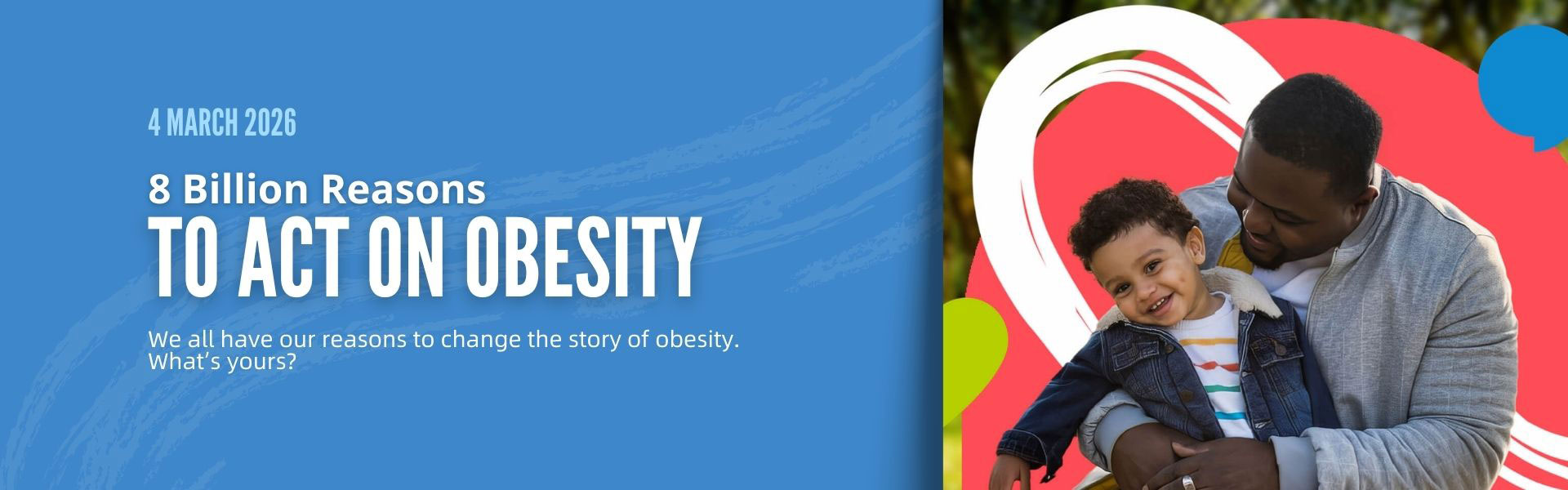
This year, World Obesity Day is on 4 March 2026. Its theme, "8 Billion Reasons to Act on Obesity," reminds us that obesity isn’t just an individual problem. It’s a shared challenge that needs shared understanding, better systems, and communities that help people live healthier lives from the start.
This year’s campaign focuses on children, recognising that childhood obesity is rising and health inequalities are growing. The most important thing we can do is move from stigma to action. The world is finally having the conversation many Australian parents have needed: when a child struggles with weight, the answer should be compassion and support, not judgment.
You don’t have to wait for the world to change. You can start making a difference at home right now.
Ready to take the first step?
Give yourself and your family a fresh start. Get a copy of Ride to Life and see what can happen when you replace shame with understanding and blame with real, practical steps.
If you want more personal guidance, Dr Gary Leong is available for consultations. Book a time to talk with him and take the next step with a specialist who truly understands what your family is facing.
By reading this far, you’ve shown up for your child. That’s not a failure, it’s proof that you care. And that’s exactly where change starts.